QNET
  • PRODUCTS
    • by Category
      • Watches & Jewellery
      • Home & Living
      • Health & Wellness
      • Personal Care & Beauty
    • by Lifestyle
      • At Home
      • At Work
      • On The Go
      • Fitness
  • ABOUT QNET
    • About QNET
    • News & Events
  • OPPORTUNITY
    • Business Opportunity
    • Success
    • Compliance
  • RYTHM
    • Sustainability
    • Community
  • SPORTS
    • ManCity
    • Brand Ambassador
  • CONTACT US
    • FAQs
    • Smart Hub
  • Dictionary
  • Toolkit
  • Product Price List
  • Social Media Toolkit
Reading: The Sugar Debate: Harmful or an Exaggeration?

REGISTER

LOGIN

SHOP

QNET
  • Register / Login
    • Register
    • Login
    • Shop
Reading: The Sugar Debate: Harmful or an Exaggeration?
  • PRODUCTS
  • ABOUT QNET
  • OPPORTUNITY
  • RYTHM
  • SPORTS
  • CONTACT US
  • PORTAL ACCESS
    • Register
    • Login
    • Shop
  • QNET PRODUCTS
  • by Category
    • Watches & Jewellery
    • Health & Wellness
    • Home & Living
    • Personal Care & Beauty
  • by Lifestyle
    • At Home
    • At Work
    • On The Go
    • Fitness
  • ABOUT QNET
    • About QNET
    • News & Events
  • OPPORTUNITY
    • Business Opportunity
    • Success
    • Compliance
  • RYTHM
    • Community
    • Sustainability
  • SPORTS
    • ManCity
    • Brand Ambassador
  • CONTACT US
    • QNET Answers
    • Smart Hub
  • RELATED LINKS
    • QNET Dictionary
    • Subscribe
    • Toolkit
    • Product Price List
    • Social Media Toolkit
QNET > Products > Health & Wellness > The Sugar Debate: Harmful or an Exaggeration?
ProductsHealth & Wellness

The Sugar Debate: Harmful or an Exaggeration?

qnetofficial
Share
4 Min Read
SHARE

Many argue that sugar in moderation is harmless. But this theory has been up for debate for as long as we have added sugar to our diets. Many nutritional and health care professionals continue to warn that sugar may be a fundamental cause of disease, particularly a condition known as insulin resistance. They believe that sugar plays a key role in causing obesity and diabetes—and thus increases our risk of developing chronic illnesses, such as heart disease, associated with these conditions.

This debate is not new. The sugar industry has long defended itself against the notion that sugar is uniquely fattening by repeating the mantra that ‘a calorie is a calorie’. The industry has argued that the worst that can be said about sugar is that it tastes good and hence people consume too much of it!

In the 1960s, researchers led by the British nutritionist John Yudkin published results of experiments in animals, and trials on humans, which suggested that sugar’s distinctive chemistry had a role in producing an entire cluster of biochemical abnormalities known today as “metabolic syndrome.”

Among these abnormalities is resistance to insulin, which orchestrates the body’s use of fuels—proteins, carbohydrates and fats, and whether we store them or burn them. That key function apparently malfunctions when we consume too much sugar and our cells resist the hormone. Insulin resistance is also the fundamental defect in Type 2 diabetes, the most common form of the disease, and it is common in obesity as well.

If sugar consumption is the trigger—as 50 years of research suggests—without sugar in our diets, it seems likely that diabetes may have been a rare disease, as it appears it once was.

According to neuroscientist Eric Stice, sugar can be addictive. He used MRI scans to evaluate what happens in the brain when people eat sugar. He discovered that sugar causes stimulation of the reward centres in the brain in a similar manner as drugs of abuse — like cocaine. This is consistent with studies on rats, showing that sugar causes many of the same effects. In obese individuals, this rewarding effect is blunted.  This means they have to consume even more sugar to achieve the same effect.

If you are conflicted and caught between your sweet tooth and a desire to lead a healthier life, worry no more. Finding ways to cut back on added sugar intake, especially in the form of sugar-sweetened beverages, is a good start.

In addition, thanks to natural sugar substitutes, it is becoming easier (and healthier) to bake your cake and eat it too! Sugar alternatives made from stevia, an herb found in Central and South America is up to 40 times sweeter than sugar but has zero calories and won’t cause a jump in your blood sugar! It tastes just like sugar and has almost no glycemic index, and is 100% natural and safe.

Try QNET’s Nutriplus Natose Stevia concentrate as a sugar substitute in your diet. Just 4 drops will give you the sweetness you want in any dish!


TAGGED:diabetesharmful effects of sugarnatural sweetenerobesityqnet India productqnet productsteviasugar
Previous Article Skin Care Nutrition in a Powerful Little Pill
Next Article Conducting Business with a QNET Independent Distributor
Leave a Comment Leave a Comment

Leave a Reply Cancel reply

Your email address will not be published. Required fields are marked *

Explore QNET Products

MUGNIER GMT Collection

The time-traveller series

Explore More

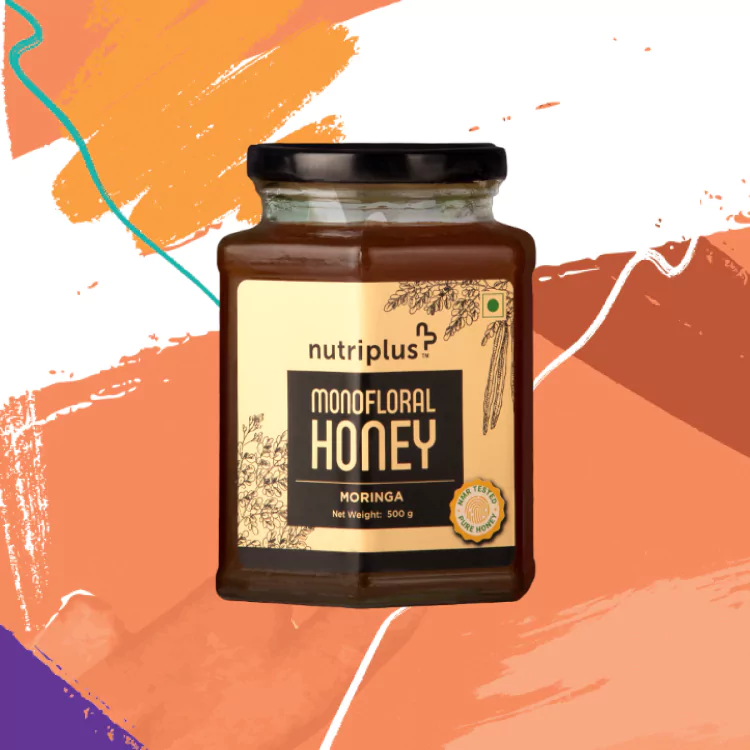
Nutriplus Monofloral Honey

Superfood for the whole family

Explore More

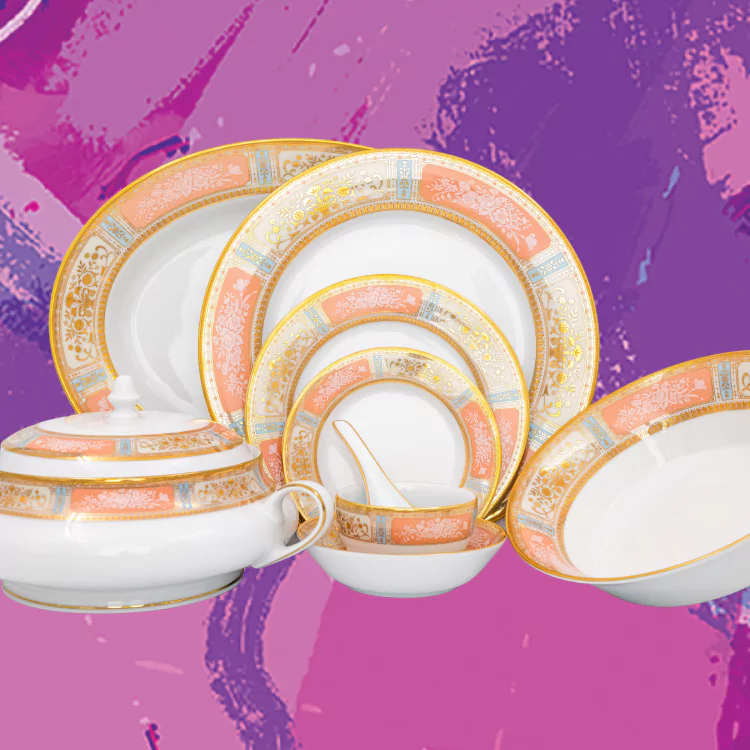
Oritsu

Premium Porcelain Tableware

Explore More

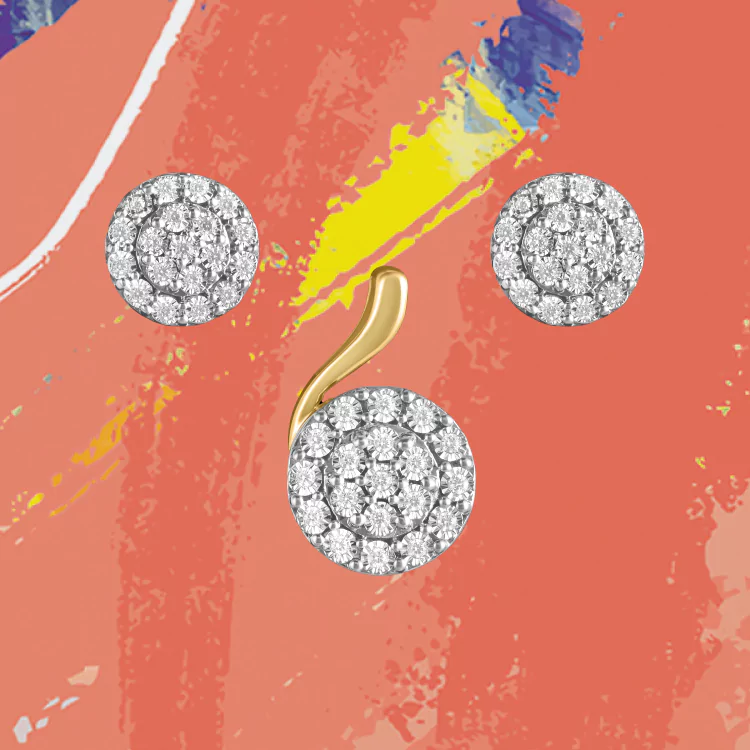
Kinnari Nila

Shine like the moon

Explore More

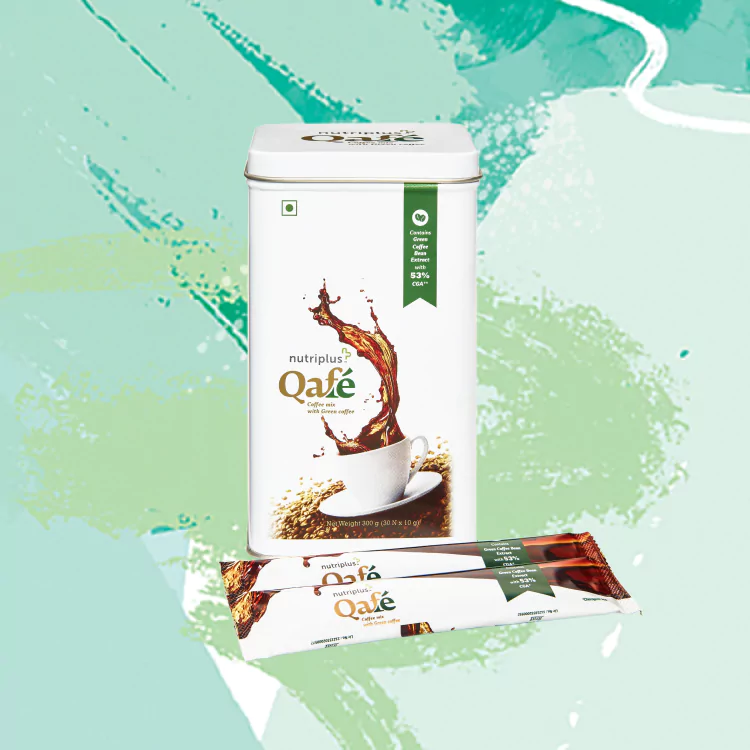
Qafé

Coffee-mix with green coffee

Explore More

Latest News

Learn the Art of Selling
Learn the Art of Selling Yourself and Building Confidence
Success
January 21, 2026
Top 5 Latest Jewellery in trend
Top 5 Jewellery Trends in 2026
Watches & Jewellery
January 19, 2026
Obesity Causes in India
Obesity Causes in India: Health Risks and Simple Ways to Stay Fit
Products
January 12, 2026
Productivity Tips for Entrepreneurs
Top Success Tips for Entrepreneurs Productivity
Success
January 9, 2026

Stay Connected

1.6MFollowersLike
14.3KFollowersFollow
43.7KFollowersFollow
30.2KSubscribersSubscribe

Policies

  • Accessibility
  • AI Disclaimer
  • Earnings and Income
  • Code of Ethics
  • Disclaimer
  • Privacy Policy
  • Social Media Policy
  • Terms of Use

Follow Us

Facebook Youtube X-twitter Instagram

COPYRIGHT © 2026 QNET. All Rights Reserved.

Welcome Back!

Sign in to your account

Username or Email Address
Password

Lost your password?

Welcome Back!

Sign in to your account

Username or Email Address
Password

Lost your password?